
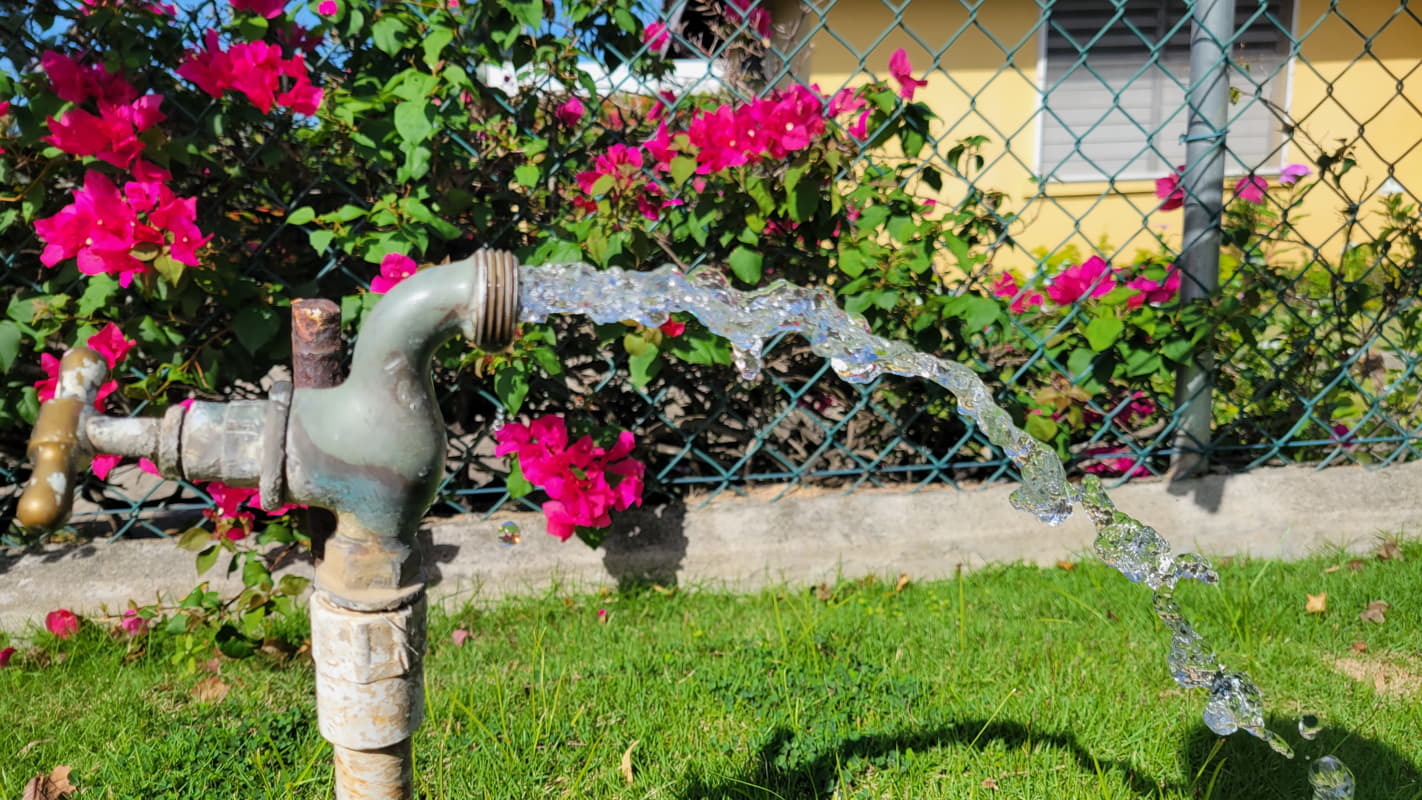
“STAY AWAY FROM THE TAP WATER!”
If you’ve traveled internationally before, you’ve probably heard some version of this warning.
Getting sick from contaminated water is one of the biggest concerns travelers have, and it’s why questions about Jamaica’s tap water come up so often.
So, can you drink the water in Jamaica?
Yes. In most cities, tourist areas, and resorts, Jamaican tap water is safe to drink. Most visitors can also safely brush their teeth with it and enjoy drinks with ice without any issues.
The main exceptions are some remote rural properties, accommodations that rely on rainwater tanks or wells, and rare situations following severe storms or infrastructure problems.
The rest of this guide explains where the water is safe, when bottled water makes sense, whether you need to boil it, and a few simple precautions worth knowing before your trip.
Is Jamaican Tap Water Safe to Drink?
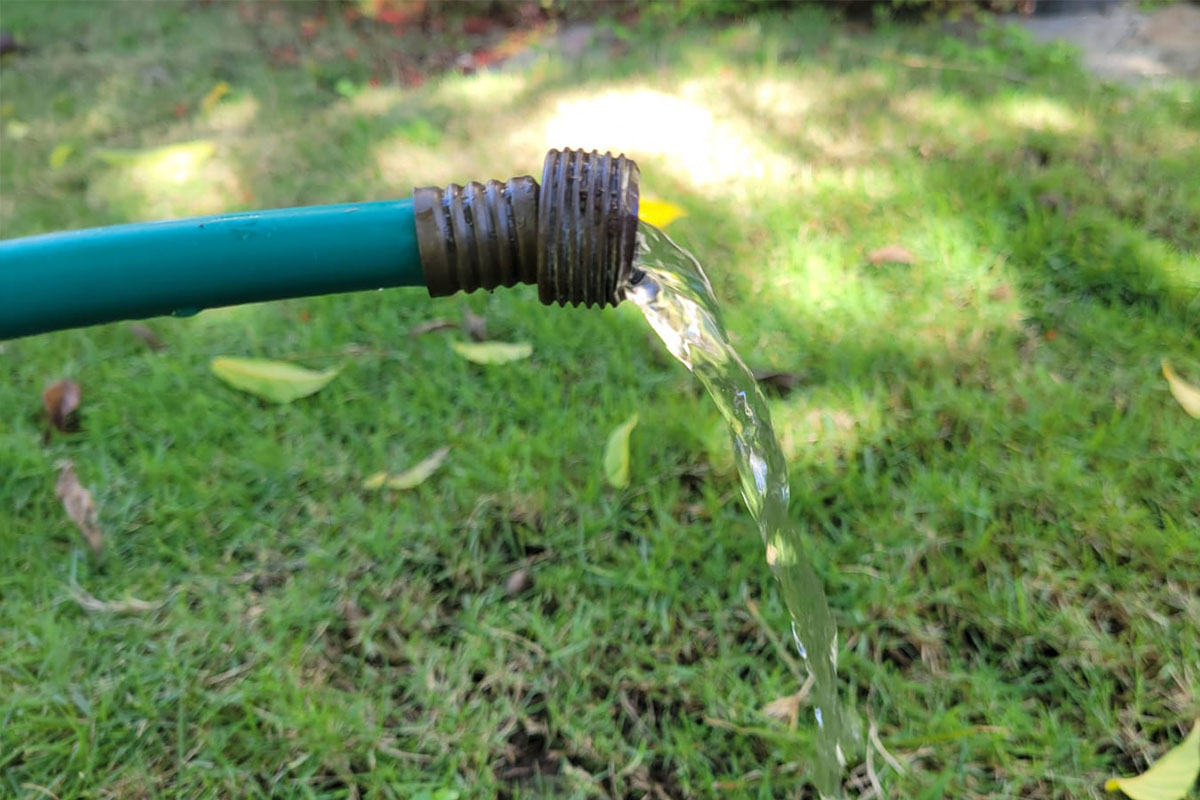
Jamaica has some of the highest-quality tap water in the world, largely due to its abundant natural freshwater resources.
For most visitors, the water you’ll encounter comes directly from the National Water Commission (NWC), which treats and tests the public water supply before it reaches homes, hotels, restaurants, and businesses across the island.
This is the same water used daily by millions of Jamaicans for drinking, cooking, brushing their teeth, and everyday household use.
If you’re staying in a hotel, resort, villa, or Airbnb in a major tourist area, you can generally feel confident that the water is safe to drink.
The main exceptions tend to involve properties that rely on alternative water sources, such as rainwater tanks, wells, or cisterns, which we’ll cover next.
Situations Where Extra Caution Is Worth It
While Jamaican tap water is generally safe, there are a few situations where it’s worth paying closer attention to the water source.
Rural Areas and Alternative Water Sources
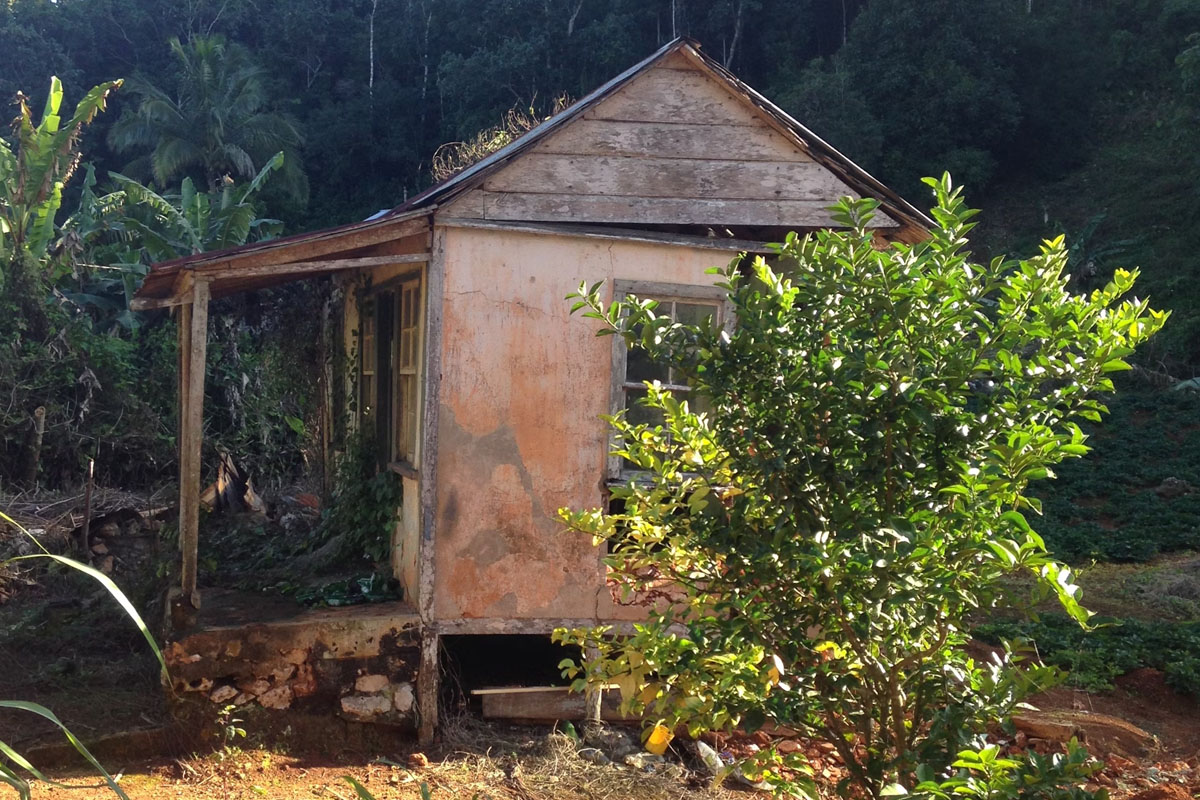
In some rural parts of Jamaica, homes and guesthouses may rely on rainwater tanks, cisterns, wells, or other alternative water sources instead of the NWC supply. This doesn’t automatically mean the water is unsafe, but if you’re unsure where it comes from, it’s worth asking before drinking it.
After Severe Storms
Heavy rainfall, hurricanes, and flooding can occasionally affect water quality or damage infrastructure.
If local authorities issue a boil-water advisory following a major weather event, follow the guidance provided and use bottled or properly boiled water until the advisory is lifted.
If the Water Looks or Smells Unusual
A simple rule is to trust your senses.
If the water appears cloudy, muddy, discolored, or has a strong odor, avoid drinking it until you’ve confirmed it’s safe. In these situations, bottled water is usually the easiest option.
When in Doubt, Ask
If you’re ever unsure about the water source, don’t be afraid to ask. Hotel staff, hosts, and locals can usually tell you whether the property uses NWC water, a rainwater tank, or another system.
Sometimes there might be maintenance work happening, and you wouldn’t want to be surprised by dirt or mud in the pipes!
For the most part, though, you’ll find that the water is pretty reliable and safe. Just a quick question can help you stay informed and enjoy your trip worry-free.
Everyday Uses: Drinking, Brushing Teeth, and Cooking
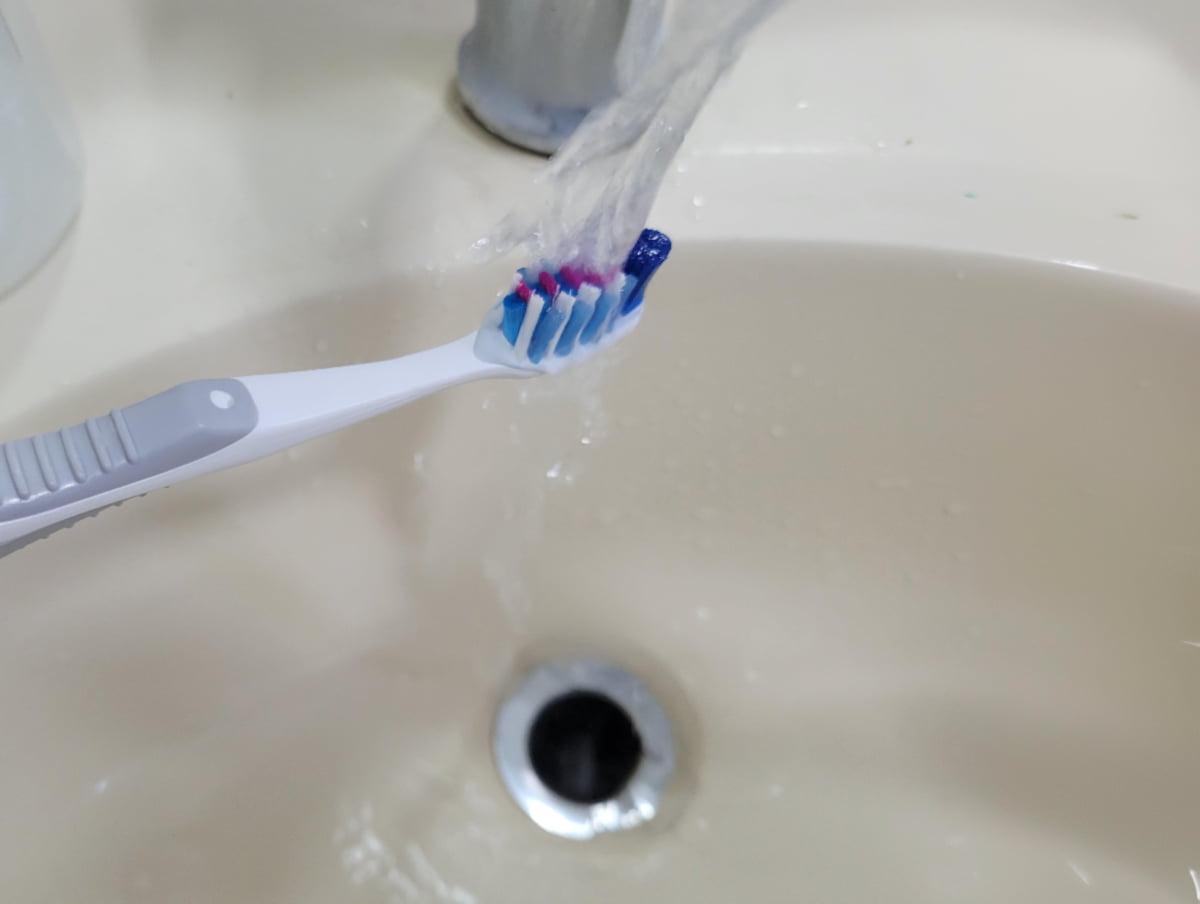
Once on the island you are going to realize that Jamaican tap water is suitable for everyday use.
That means you can generally drink it, brush your teeth with it, make tea or coffee, cook meals, wash fruits and vegetables, and fill a reusable water bottle without any problems.
Many visitors are surprised by how good the water tastes. In fact, Jamaica has even been recognized for having some of the best drinking water in the Caribbean. Thanks to the island’s abundant freshwater resources, the water is typically clean, refreshing, and free from the strong chemical taste that many travelers associate with tap water elsewhere.
You also don’t need a water filter during a typical trip. If you’re staying in a hotel, resort, villa, or Airbnb connected to the NWC supply, the water has already been treated and tested before reaching your tap.
Of course, some travelers still prefer filtered or bottled water, either because that’s what they’re used to at home or because it gives them extra peace of mind while abroad. That’s perfectly fine, but for most visitors it’s a preference rather than a necessity.
Can You Drink The Water in Jamaica’s Resort Areas?
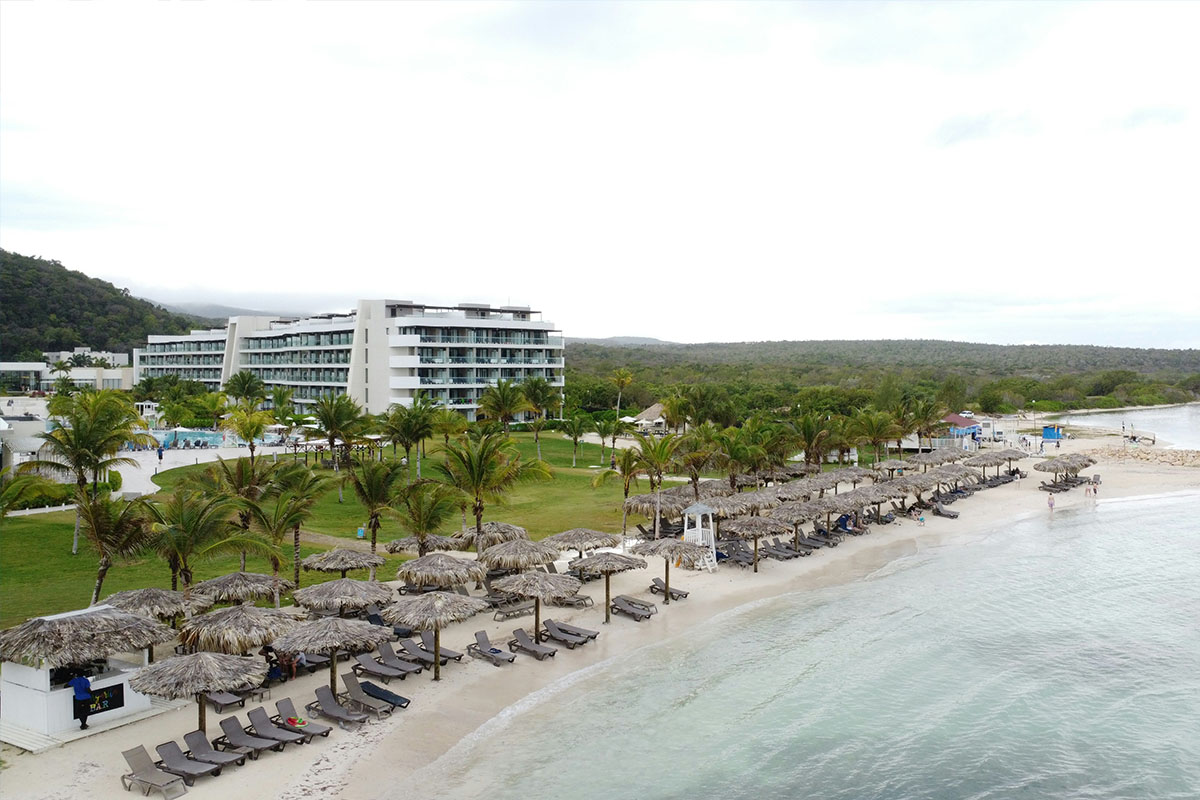
Yes, you can drink the tap water in Jamaica’s resort areas! The tap water you drink in Kingston is going to have the same quality as that in popular tourist spots like Montego Bay, Negril and Ocho Rios .
So, if you’re staying at a hotel or resort, you can feel confident that the water is safe to drink.
Most resorts and hotels typically have good water treatment practices, and some even filter their water to ensure top-notch quality. Plus, since these resort towns are closer to the island’s natural water sources, you might find that the water has a crisp, refreshing taste.
Should You Buy Bottled Water in Jamaica?
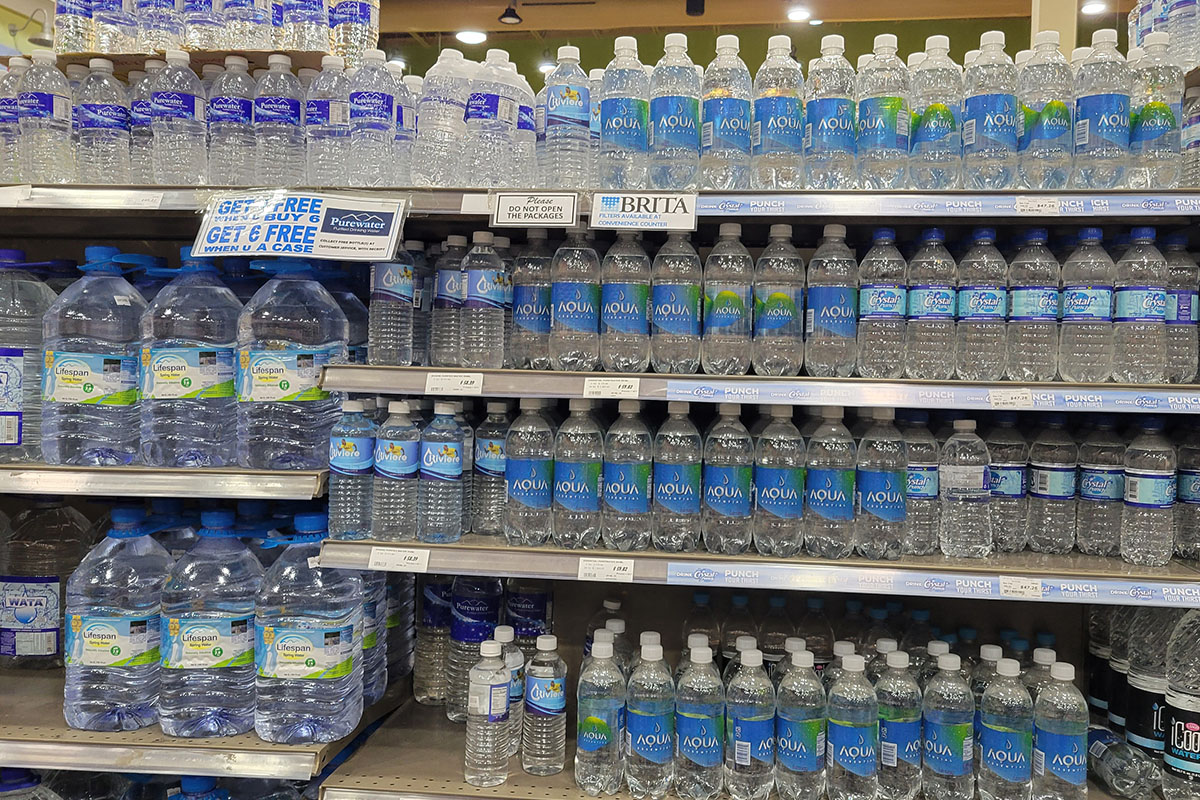
I totally get it, drinking water straight from the faucet or kitchen sink isn’t everyone’s cup of tea, especially in a foreign country.
If you’d prefer to skip the tap water during your stay in Jamaica, here are some popular options:
Bottled Water
Bottled water is readily available throughout Jamaica at gas stations, supermarkets, and hotels. Choose from spring or filtered water, with local brands and familiar imports available.
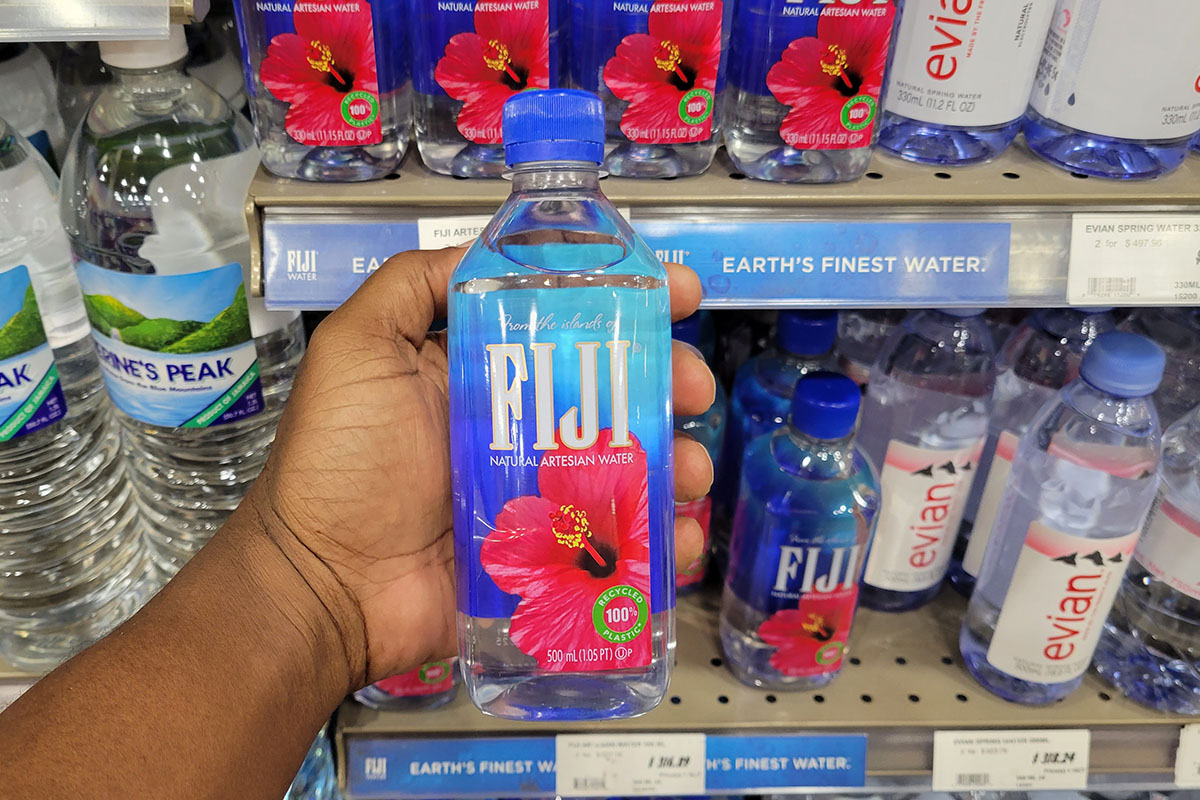
Local Brands:
- Catherine’s Peak
- Lifespan
- Nestlé
- Wata
Imported Brands:
- Aquafina
- Evian
- Fiji
- Pellegrino
Before You Go
Now that you’re all set with the basics about drinking water in Jamaica, why not dig a little deeper?
Here are a couple of helpful articles that could help you with your trip planning.:
- Practical Tips for Visiting Jamaica – This section covers everything from local customs to health and safety tips, ensuring you’re ready for all that Jamaica has to offer.
- Stay Prepared for Mosquitoes – Just like staying hydrated, knowing how to deal with mosquitoes is key to enjoying your time outdoors. Check out these tips to keep those pesky critters away!
By reading these resources, you’ll be well-prepared for your Jamaican adventure and ready to make the most of your experience!
