
Mosquitoes in Jamaica are usually a manageable annoyance, but after heavy rain, around rivers and waterfalls, and in heavily vegetated areas, they can be surprisingly aggressive.
Jamaica is a tropical country, and honestly, mosquitoes are simply part of life here. You’re going to see them, hear them, and let’s keep it real, you’ll probably get bitten by one at some point.
How much they affect you comes down to where you are, if has been raining a lot, the activities you have planned, and whether you’re prepared.
I’ve lived in Jamaica long enough to know that mosquito experiences vary wildly. Some people spend a week here and barely notice them. Others visit a river or waterfall and they feel like they’re being eaten alive.
Here’s what to expect, when mosquitoes are at their worst, and how to avoid becoming their next meal.
When Are Mosquitoes Worst in Jamaica?

I laugh a little when people ask about the “worst” time for mosquitoes in Jamaica because there are really two answers.
Worst Time of Day
If you’re trying to avoid mosquitoes in Jamaica, pay attention to the time of day.
Mosquitoes are usually most active:
- Early morning
- Late afternoon
Unfortunately, these are some of the best times to be outside, but they’re also when mosquitoes are out for blood.
Worst Time of Year
Whenever Jamaica gets a good stretch of rain, you get an instant mosquito factory.
Every puddle, clogged gutter, and tiny pool of standing water suddenly becomes a breeding ground and it can feel like they’re everywhere.
That’s why the worst time of year for mosquitoes is typically during rainy periods. The mosquitoes are here year-round, but after heavy rain is when they really start making themselves known.
Where Are Mosquitoes Most Common in Jamaica?
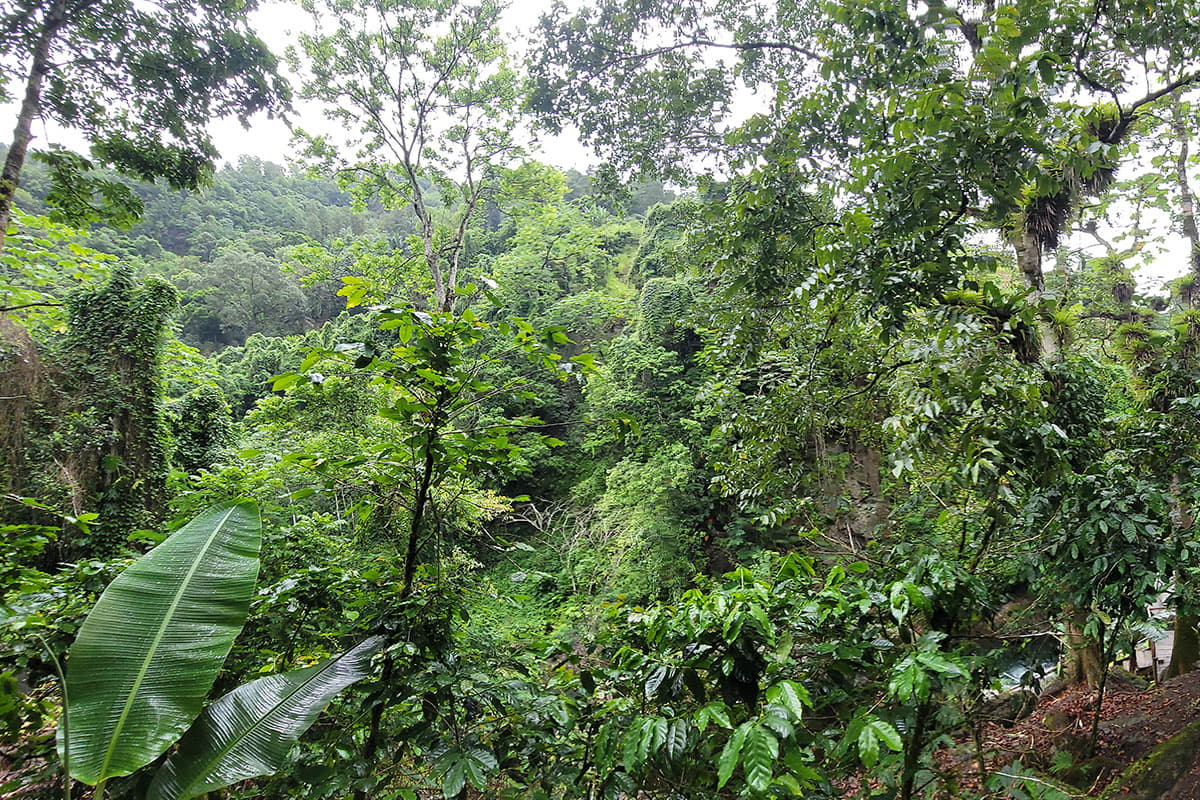
Near Rivers, Waterfalls & Water Bodies
Anywhere with standing water is mosquito territory. That means our beautiful rivers, waterfalls, swamps and other bodies are going to come with nonstop mosquito action
In fact, some of the worst mosquito experiences I’ve had in Jamaica were around rivers and waterfalls. If you show up wearing shorts and forget your repellent, don’t be surprised if you spend the day swatting mosquitoes.
Rural Areas & Heavy Vegetation
Mosquitoes are also more common in rural areas and places with dense vegetation.
The reason is simple: moisture, shade, and plant cover create ideal conditions for mosquitoes to breed and rest.
If you’re hiking, exploring nature attractions, or spending time deep in the countryside, expect to encounter more mosquitoes than you would in heavily built-up urban areas.
How to Avoid Mosquito Bites in Jamaica
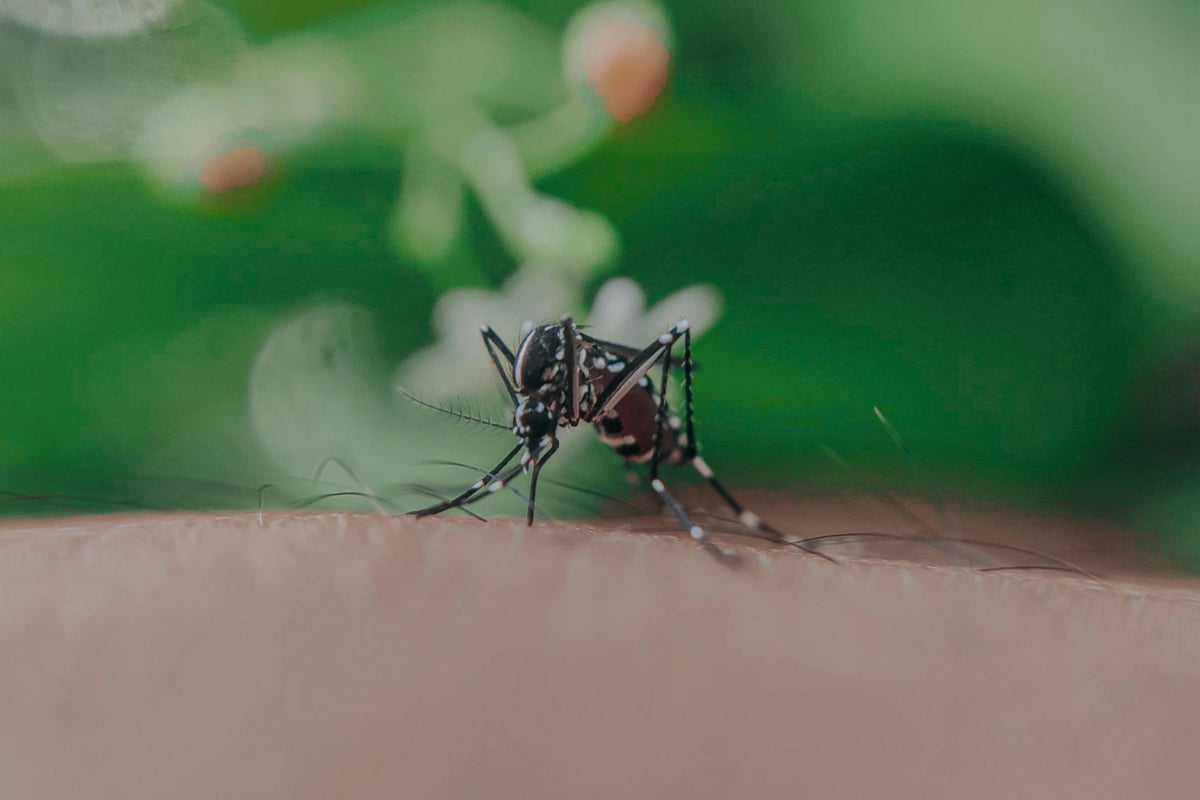
We like to saying that mosquitoes Jamaica have a sixth sense for fresh tourist blood, they can smell a visitor from a mile away! Whether that’s true or just island humor, here’s how to keep them away:
1. Dress Smart to Outsmart Them
- Light-colored clothing: Mosquitoes are attracted to dark colors, so opt for lighter shades.
- Long-sleeved shirts or blouses: These help cover your arms and reduce exposed skin
- Long pants: Wearing long pants provides extra protection against bites.
- Loose-fitting clothes: Tight clothing makes it easier for mosquitoes to bite through the fabric – plus, baggy is more comfortable in our heat anyway!
2. Repellents: Your First Line of Defense

Repellent isn’t optional here, which is why we list it as a must-have in our guide on what to bring to Jamaica.
For maximum protection, choose repellents with these active ingredients:
- DEET (30-50%): The gold standard in mosquito protection, recommended by the CDC for tropical destinations.
- Picaridin: Less greasy than DEET and equally effective.
- Oil of lemon eucalyptus: If you prefer natural alternatives, this is your best bet.
Local Tip: Apply repellent BEFORE you go outdoors. By the time you feel that first bite, ten more mosquitoes are already lined up for their turn!
3. The Jamaican Secret Weapon: Local Repellent Candles
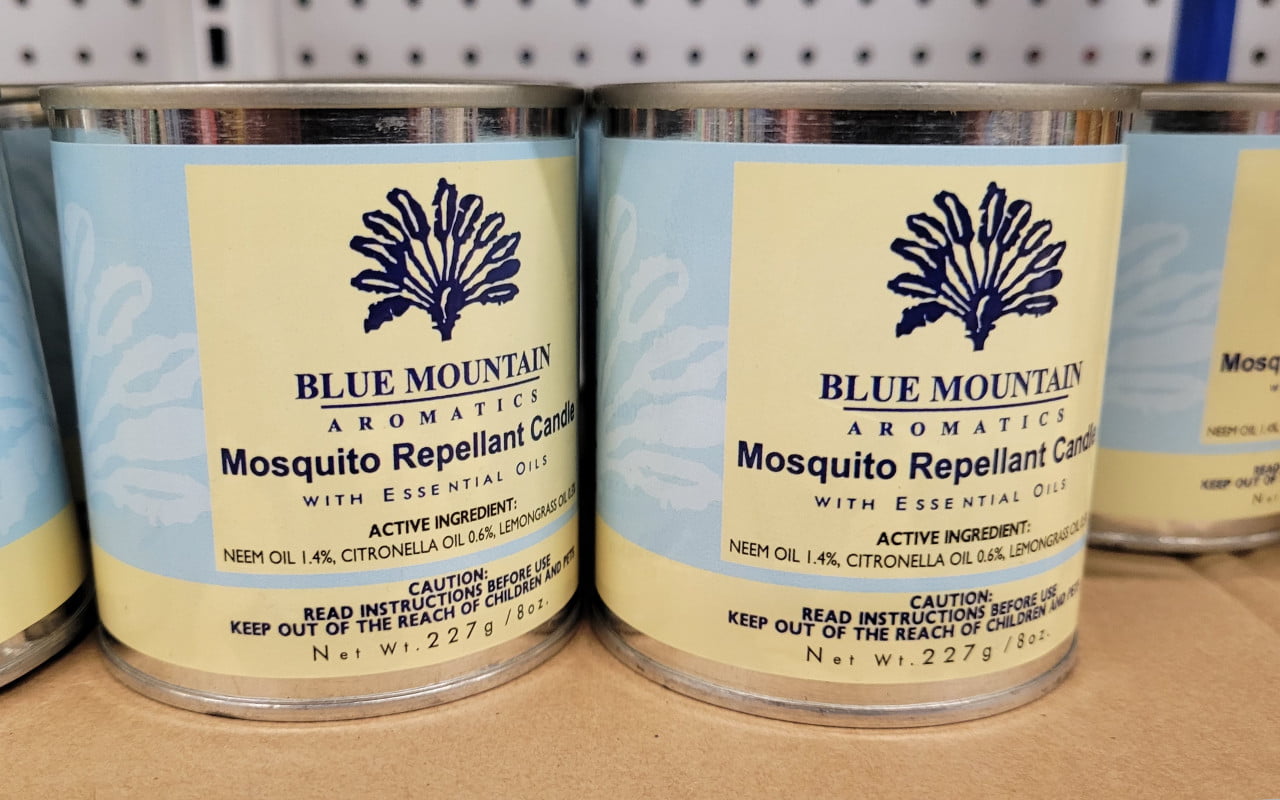
When night falls, do as the locals do! Many Jamaican homes burn mosquito-repellent candles, especially in rooms without proper mesh screens.
Local brands like Starfish Oils and Blue Mountain Aromatics offer fantastic options that combine our local ingredients with serious mosquito-fighting power.
What makes these candles special:
- Natural Ingredients: Most use citronella, lemongrass, and sometimes coffee (yes, our famous Blue Mountain Coffee scent keeps mosquitoes away too!)
- Atmospheric Protection: The smoke and scent create a barrier that mosquitoes hate to cross
- Jamaican Vibes: They add a nice ambiance to your room while protecting you
Local Tip: Place candles strategically around your room or patio area, but keep them away from curtains or anything flammable – we want you protected from mosquitoes, not dealing with fire hazards!
4. The Coconut Oil Secret
Here’s something my grandmother taught me that scientists are just catching up to: coconut oil mixed with essential oils is mosquito kryptonite!
I went camping deep in the Jamaican countryside last month and forgot my usual repellent. My friend offered me some coconut oil mixed with lemongrass oil, and I didn’t get a single bite all night!
How to make your Jamaican mosquito shield:
- Mix virgin coconut oil with a few drops of lemongrass, eucalyptus, tea tree, or peppermint oil
- Apply to exposed skin for natural protection
- For extra security, layer this with your DEET spray
The Journal of the American Mosquito Control Association has published studies1 confirming that certain plant oils do indeed have mosquito-repelling properties.
5. Old School Mosquito Coils
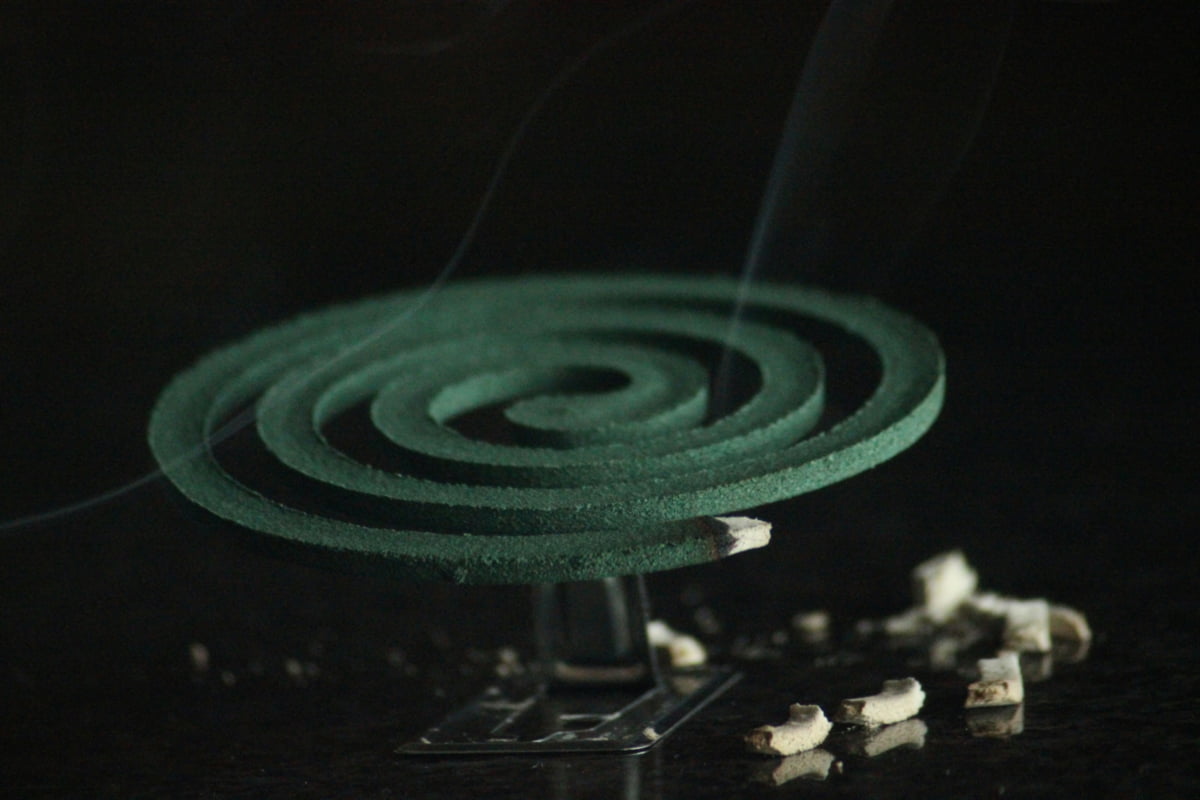
Back in the day, every Jamaican household had these green spiral coils ready to fight off mosquitoes. Mosquito coils might look old-fashioned, but trust me, they work like magic. Light one up and place it near your bed or seating area, and watch those mosquitoes
Why mosquito coils are a Jamaican staple:
- Long-lasting protection: One coil burns for about 6-8 hours – perfect for a full night’s sleep
- Affordable: You can buy a pack for just a few Jamaican dollars at any local shop
- Proven effectiveness: The pyrethroid compounds in quality coils are scientifically proven to repel and kill mosquitoes
- Perfect for outdoor dining: Light a few around your patio while enjoying some curry goat or ackee and saltfish
Safety reminder: Always place coils on a stable, fire-proof surface and never leave them unattended.
6. The Satisfying Zap: Electric Mosquito Zapper Rackets
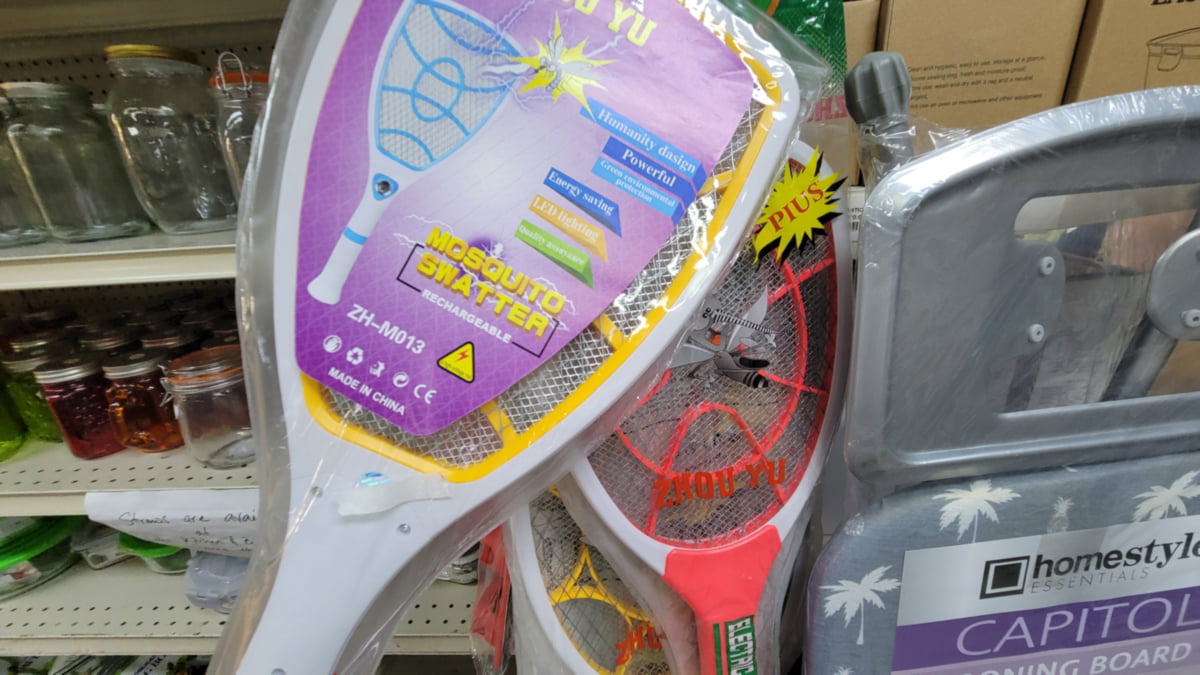
Now this is where mosquito hunting becomes sport! Electric zapper rackets are extremely popular in Jamaica, and honestly, there’s something deeply satisfying about hearing that ZAP when you get one of those little blood-suckers.
Why zapper rackets are brilliant:
- Instant results: No waiting for repellent to work, you see the mosquito, you zap the mosquito, problem solved
- Chemical-free: Perfect if you’re sensitive to repellent sprays or prefer not to use chemicals
- Portable protection: Take it anywhere, from your hotel balcony to outdoor dining areas
- Fun factor: Let’s be honest, there’s something therapeutic about zapping mosquitoes after they’ve been bothering you all day
Pro tips for zapper success:
- Look for rackets with LED lights to help you hunt in the dark
- Keep it charged – nothing worse than a dead zapper when mosquitoes are having their dinner party
- Practice your swing – mosquitoes are surprisingly agile for something so annoying!
You can find these rackets just about anywhere, they won’t be hard to find.
Are Mosquito-Borne Illnesses a Risk in Jamaica?
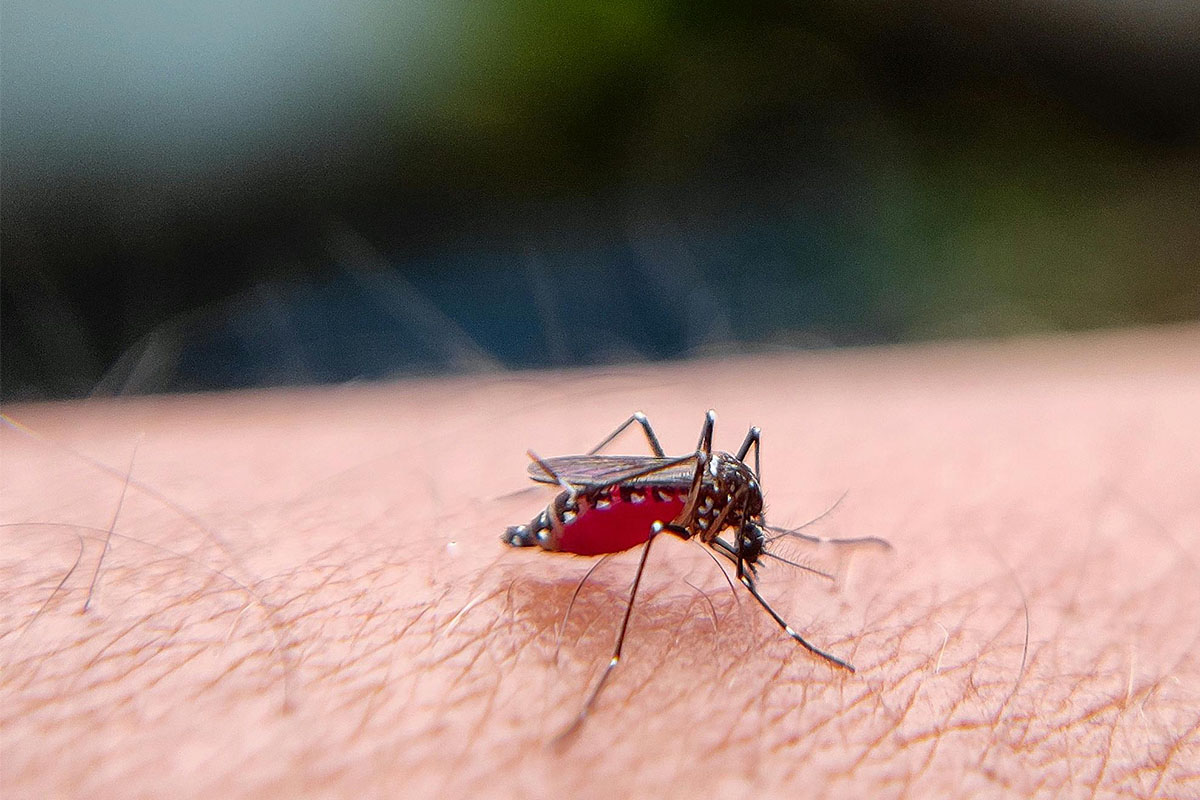
Mosquitoes in Jamaica can carry illnesses like Dengue Fever, which occasionally causes outbreaks. Zika and Chikungunya were concerns in the past but haven’t been reported locally in recent years. For most travelers, especially in popular tourist areas, the risk of getting sick is very low, even if you do get bitten.
Serious mosquito-borne diseases like Yellow Fever and Malaria are not present in Jamaica, so those aren’t concerns for visitors.
The CDC’s travel advisory for Jamaica recommends standard mosquito prevention measures rather than avoiding travel altogether.
Here’s a quick overview of the main mosquito-borne diseases you might hear about:
| Disease | Presence in Jamaica | Symptoms |
|---|---|---|
| Dengue Fever | Occasionally seen in outbreaks | High fever, severe headache, joint and muscle pain, rash, nausea |
| Chikungunya | Reported periodically | Sudden fever, joint pain, headache, rash |
| Zika Virus | Sporadic cases in past outbreaks | Mild fever, rash, joint pain, red eyes; risk for pregnant women |
| Yellow Fever | Not present | Fever, headache, jaundice (not a concern for travelers) |
| Malaria | Not present | Chills, fever, sweating (not a concern for travelers) |
While the risk of disease is low, it’s always smart to take basic precautions against mosquito bites,
Here are some tips on how to protect yourself.
What to Do if You Get Bitten?
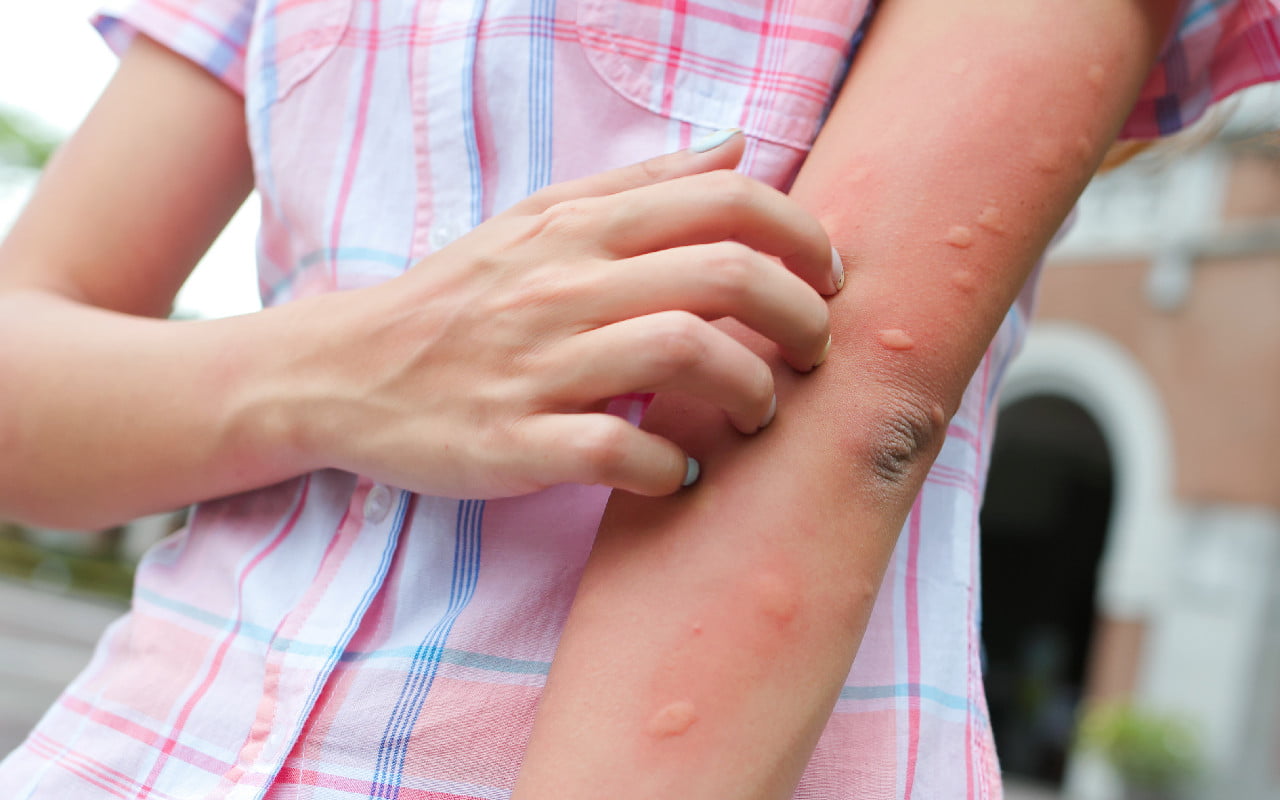
Despite your best efforts, those sneaky mosquitoes might still get a taste of your blood. When that happens, here’s how to stop the itch:
Immediate Relief Tactics
- Anti-itch creams: Hydrocortisone or calamine lotion will be your best friends
- Ice packs: Apply for 10-15 minutes to reduce swelling and numb the area
- Oral antihistamines: Benadryl or similar medications can help if itching is severe
Jamaican Grandma’s Remedies
These local remedies have been passed down for generations in Jamaica:
- Aloe Vera: We grow this miracle plant everywhere in Jamaica, break a leaf and apply the gel directly to bites
- Baking soda paste: Mix with a little water and dab on bites to neutralize the sting
- Used tea bags: The tannins in black tea reduce inflammation (works for sunburn too!)
- Honey: A small dab of honey (Jamaican logwood honey is best) helps heal bites faster thanks to its antibacterial properties
What NOT to do: Don’t scratch! As my grandmother would say, “Scratching turns mosquito kisses into war wounds!”
One Last Thing Before You Go
Mosquitoes might be part of the Jamaican experience, but they don’t have to ruin it. A little prep goes a long way. Now you know when they’re out, where they hang around, and how to avoid becoming their next snack.
Planning your trip? You might find these helpful:
Got questions, tips, or your own mosquito survival story? Drop them in the comments below, I’d love to hear from you.
References
At The Jamaican XP, we prioritize credible sources to ensure accurate and helpful content. For more on our commitment to up-to-date information, check out our editorial policy.
- “Rapid Immobilization of Adult Aedes aegypti Caused By Plant Essential Oils At Sublethal Concentrations.” Journal of the American Mosquito Control Association. Accessed May 24, 2025.
https://jamca.kglmeridian.com/view/journals/moco/34/3/article-p210.xml?isSearch=true
