
In most parts of Jamaica, you don’t need to boil tap water at all. If your accommodation is on the National Water Commission (NWC) supply, the water is already treated and safe for everyday use.
Here in Jamaica, most of us drink and cook with tap water daily, without boiling it first.
However, you SHOULD boil water (or use bottled) in these situations:
- Your accommodation uses rainwater tanks, cisterns, or well water.
- You’re in very rural areas with no NWC connection.
- There’s a current boil-water advisory (after storms or pipe bursts).
- You’re preparing infant formula and have any doubt about the source.
Below, I’ll walk you through exactly when boiling is necessary, and when it isn’t, so you know what’s safe for you and your family.
When You Do NOT Need to Boil Water in Jamaica
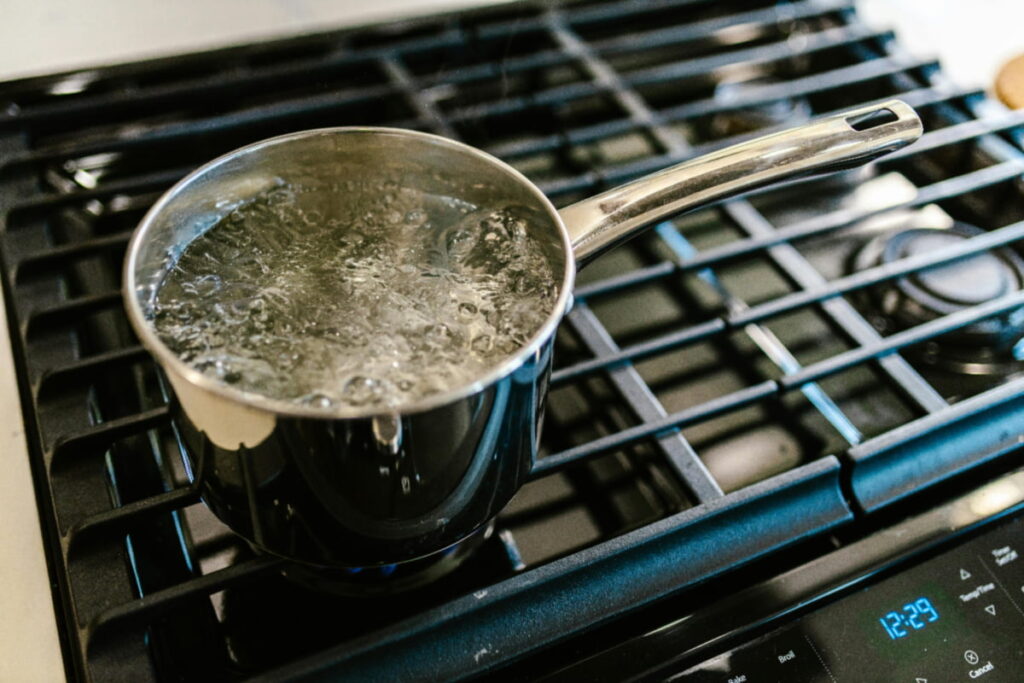
If your accommodation is connected to the National Water Commission (NWC) system, which includes almost all hotels, resorts, villas, and city Airbnbs, you generally don’t need to boil the tap water. It’s already treated, chlorinated, and monitored to meet national and WHO standards.
(If you want the deeper breakdown of how safe it is for drinking, I cover that fully in my Jamaican tap water guide.)
With NWC water, you can safely use the tap for:
- Drinking
- Cooking rice, pasta, soups, and stews
- Washing fruits and vegetables
- Making tea, coffee, or juice
- Brushing your teeth
- Washing baby bottles (you’ll still sterilize them afterward as usual)
Where this applies:
Anywhere with a stable NWC connection. regardless of price, rating, or location.
This includes:
- All major all-inclusive resorts
- Most hotels, villas, and guesthouses
- Most homes and apartments in towns and urban areas
- Many Airbnbs across the island
Local Note: I use NWC tap water every day for drinking, cooking, and brushing. boiling isn’t part of normal daily life here because the treated supply is already safe.
When You SHOULD Boil (or Switch to Bottled Water)
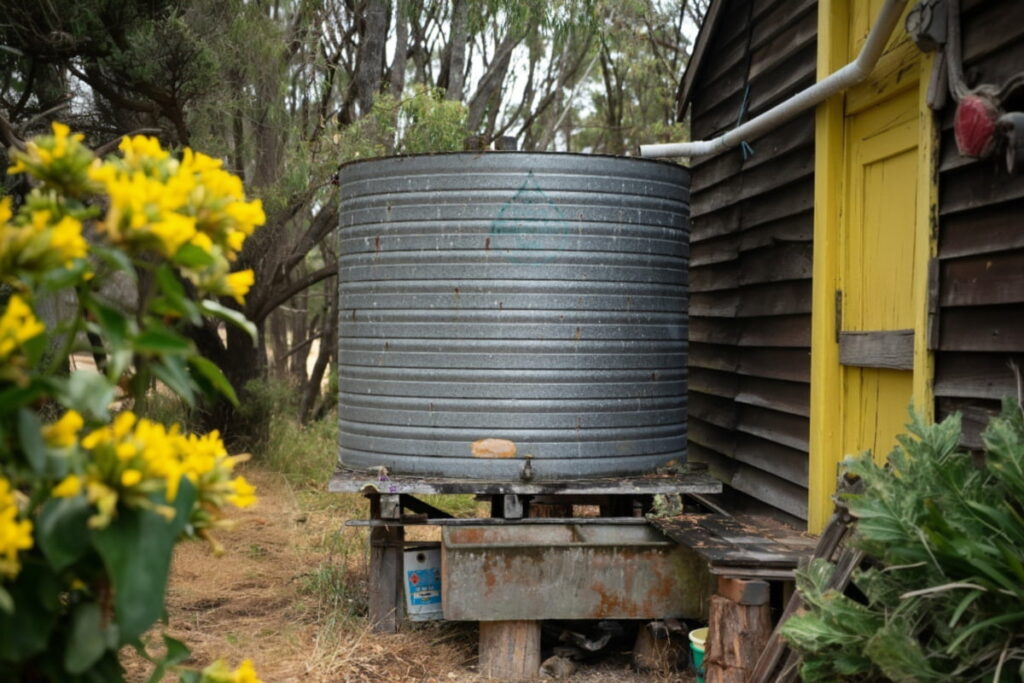
Boil or use bottled water if any of these critical situations apply:
- Your place uses roof catchment tanks or cisterns (very common in rural villas and some Airbnbs).
- Your water is delivered by truck and stored in a tank, you can never be fully sure of the tank’s cleanliness or how long the water has been sitting.
- The water comes back cloudy or brown after a water lock-off.
- You’re deep in the countryside with no NWC supply.
- There’s an active boil-water advisory from the Ministry of Health or NWC.
- You’re mixing baby formula and aren’t 100% sure of the source.
High-Risk Situations (Families and Food Safety)
If you are preparing food for someone vulnerable, or if the consumption is direct and non-negotiable, boiling is your absolute safety guarantee.
| High-Risk Use | Safety Action |
| Baby Formula/Infants | Always use water that has been boiled and fully cooled (or sealed bottled water). |
| Immunocompromised Individuals | Anyone with a weakened immune system should only consume water that has been boiled and cooled. |
| Washing Raw Produce | For extra precaution, wash fresh, uncooked fruits and vegetables with water that has been boiled and then cooled. |
What Boiling Actually Kills (and What It Doesn’t)
Boiling is excellent for making water microbiologically safe, but it’s not a fix for every issue. A 1-minute rolling boil kills harmful organisms. bacteria, viruses, and parasites (as confirmed by the CDC).
Boiling does kill:
- Bacteria (like E. coli)
- Viruses
- Parasites
Boiling does not remove:
- Chemicals or pesticides
- Heavy metals
- Bad smells
- Muddy or discolored water
If the water looks, smells, or tastes “off,” boiling won’t improve it. just use bottled water instead.
When Boil-Water Advisories Happen
Boil-water advisories in Jamaica are uncommon, but can happen after:
- A major pipe break
- Drought
- Heavy rainfall causing sediment
- Hurricanes or storms
Hotels are notified immediately, and they’ll tell you if anything changes.
If you’re in a villa or Airbnb and want to double-check, you can look at the NWC website or local news updates.
More Water + Safety Tips for Your Jamaica Trip
If you found this guide useful, here are a few others that answer the questions visitors ask most:
- Can You Brush Your Teeth with Tap Water in Jamaica?
- Best Bottled Water Brands in Jamaica
- Health & Safety in Jamaica
If you’re still unsure about anything, feel free to drop a question, I’m happy to help.
