
Yes, you can use US dollars in Jamaica, especially in tourist areas, resorts, hotels, attractions, and many larger businesses.
However, Jamaica’s official currency is the Jamaican dollar (JMD), and that’s the currency used for everyday transactions across the island.
In tourist areas, USD can be convenient, but it can also cost you more. Some businesses use their own exchange rate, give change back in JMD, or round prices in a way that works against you.
So for most visitors, the best approach is simple: bring some USD, but use Jamaican dollars for everyday purchases.
Understanding that difference can save you money throughout your trip. It’s also one of the most overlooked parts of planning a Jamaica travel budget, especially for first-time visitors.
Where US Dollars Are Accepted in Jamaica
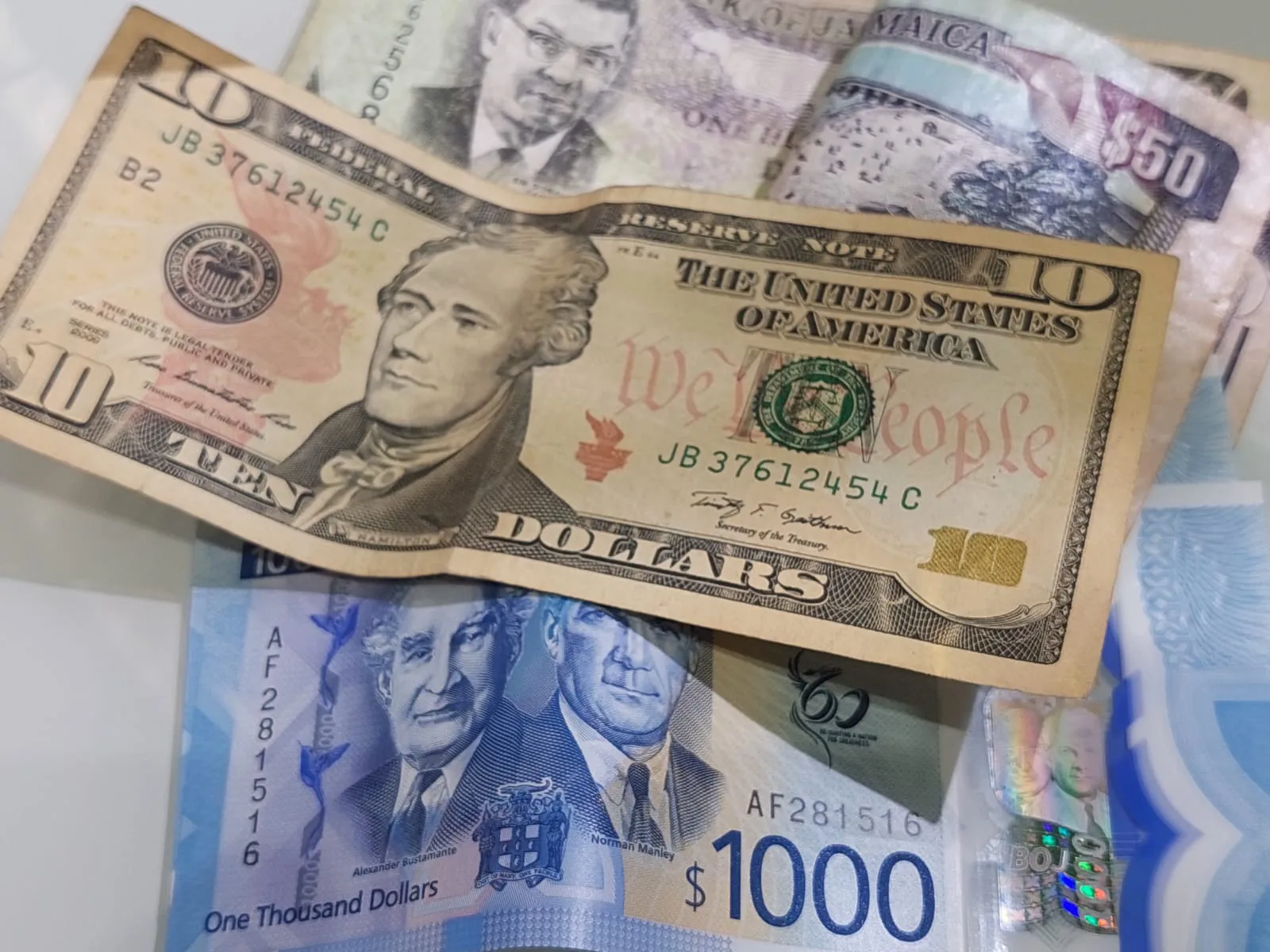
For the most part (there are always exceptions), you should be able to use US dollars in most resort towns like Montego Bay, Ocho Rios, etc.
For tourist-facing businesses, accepting USD makes transactions easier and removes friction for visitors who may not want to exchange money immediately.
| Place | USD Accepted? |
|---|---|
| Resorts | Yes |
| Hotels | Yes |
| Tours & Excursions | Yes |
| Tourist Attractions | Depends |
| Airport Transfers | Usually |
| Gift Shops | Usually |
| Tourist-Area Restaurants | Often |
| Cruise Port Businesses | Often |
I know visitors who have spent their whole trip using mostly US dollars because they stayed around resorts, tours, and tourist restaurants. But that changes quickly once you leave the tourism bubble.
Where Jamaican Dollars Make More Sense
If you experience everyday Jamaica instead of just tourist Jamaica, you’ll quickly find out that having USD doesn’t always mean having the easiest way to pay.
The reality is that acceptance and convenience are not the same thing.
| Place | Better Currency |
|---|---|
| Local Restaurants | JMD |
| Street Food Vendors | JMD |
| Small Shops | JMD |
| Markets | JMD |
| Taxis | JMD |
| Outside Tourist Areas | JMD |
Most Jamaicans aren’t using US dollars in their daily lives. Salaries, transportation, groceries, utility bills, and most everyday expenses are paid in Jamaican dollars.
That’s why once you move beyond the resort areas and start experiencing everyday Jamaica, JMD becomes far more useful. Even when a business accepts USD, you may receive change in Jamaican dollars, get a less favorable exchange rate, or spend time converting prices back and forth.
The easiest way to think about it is this:
Tourist Jamaica accepts USD. Everyday Jamaica runs on JMD.
Do Jamaicans Prefer US Dollars?
It depends on the situation.
In tourist areas, USD is often welcomed, especially for tips. Hotel staff, tour guides, drivers, and resort workers may be happy to receive US dollars because they can exchange them into Jamaican dollars.
Outside the tourism industry, it’s less clear-cut.
A roadside vendor may gladly take USD because it holds its value well. Another person may prefer JMD because they don’t have to worry about exchange rates, making change, or checking whether a bill is genuine.
That’s why there isn’t a single answer.
Many Jamaicans are happy to receive USD, but Jamaican dollars are still the currency most people use and price things in.
The Hidden Cost of Paying in USD (The “Tourist Tax”)
The biggest issue with using US dollars in Jamaica is the exchange rate.
Even when a business accepts USD, they may not use the official exchange rate. They might use a lower rate, round the price up, or give you change back in Jamaican dollars.
For example, if you pay with $10 USD for patties:
- At the real exchange rate of $155 JMD to $1 USD, your $10 is worth $1,550 JMD
- At a shop rate of $110 JMD to $1 USD, your $10 is only treated like $1,100 JMD
- That’s $450 JMD missing
- That could have paid for another patty, a drink, or your next taxi ride
That’s why Jamaican dollars are usually better for small, everyday purchases. You know what you’re spending, and you’re less likely to lose money on bad conversions.
What Happens When You Pay in US Dollars
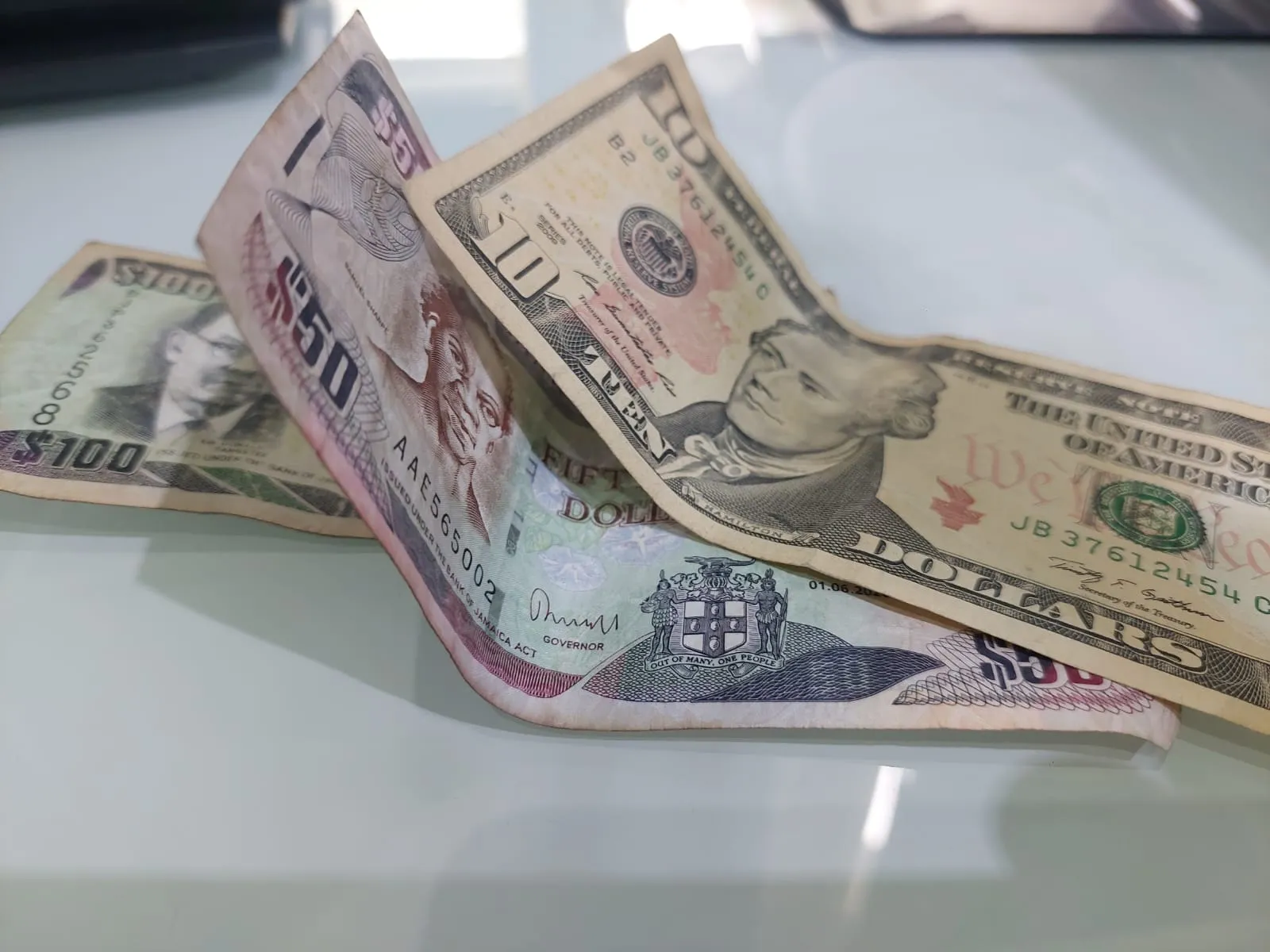
Paying with US dollars in Jamaica can sometimes come with unexpected hiccups.
For example:
- You may pay in USD but receive your change in JMD.
- The business may use its own exchange rate.
- Larger USD bills can sometimes be difficult to break.
- The final amount may be slightly different than what you expected after conversion.
In tourist areas, this usually isn’t a major issue. However, the further you move away from resorts and attractions, the more likely you are to run into these situations.
That’s why Jamaican dollars are easier for everyday purchases. You avoid the back-and-forth, you save time, and you know exactly what you’re spending.
So, Should You Bring USD or Jamaican Dollars?
For most visitors, the best answer is both.
Bring US dollars, but get some Jamaican dollars early in your trip. USD is useful in resorts, tours, tourist areas, and as backup cash. JMD is a must if you are dealing with everyday/real Jamaica.
You do not need to exchange everything at once. Start with a reasonable amount of JMD, then use an ATM if you need more.
A good starting point is to convert around $200–$300 USD into Jamaican dollars, depending on how long you’re staying and how much exploring you plan to do.
Next: Plan How You’ll Pay in Jamaica
Using USD in Jamaica is only one part of handling your money well.
If you’re still deciding how to manage cash, cards, ATMs, exchange rates, and your overall budget, these guides will help:
- When to use Cash or Cards: When to use cash and when cards make more sense.
- Exchanging USD to JMD: How to avoid losing money on poor rates.
- Getting Jamaican Dollars from ATMs: Where to withdraw cash and what fees to expect.
- Planning your Jamaican Travel Budget: The full money hub for planning your trip.
